
DE FALCO WINERY - AGLIANICO DEL BENEVENTANO IGP
Aglianico is a very ancient vine, probably originating in Greece, introduced in Italy around the seventh and sixth centuries BC. and today grown mainly in all the regions that were part of the Kingdom of the Two Sicilies, especially Campania and Basilicata, but also from Calabria, Puglia, Molise and Abruzzo.
The wines obtained from Aglianico are red, they also have an important tannic structure because they are obtained from vines located in volcanic soils. From these vines we obtain a ruby red wine, fruity, full-bodied and suitable for aging. This last characteristic has meant that Aglianico is also nicknamed Il Barolo del Sud.
In optimal conditions the grapes reach a high sugar content (22-23%) and retain a strong tartaric acidity, which is even higher in the Aglianico Amaro or Beneventano biotype. The wine benefits from the aging in wood, to dilute the austere character due to the acid-tannic component. The use of barrique, now widespread in Campania and Basilicata, manages to tame its temperament, making it softer and more velvety in a relatively short time.
Features
- Alcohol content: 13%
- Production area: Province of Benevento
- Training system: Espalier with spurred cordon pruning
- Yield per hectare: 70 ql. per hectare
- Altitude: 300 meters
- Processing: Harvested by hand in crates, softly pressed and fermented at a controlled temperature in cold steel. After racking, the wine is placed in steel silos to allow maturation and then bottled for refinement.

Since the 1990s, extensive ampelographic, ampelometric, chemical, biochemical and molecular investigations have been carried out on biotypes of Aglianico and Aglianicone found in Campania and Basilicata.
The results showed that Aglianico Campano and Aglianico del Vulture are actually a single vine, with differences of various orders attributable to a normal intravarietal variability. The latest studies have highlighted the following six biotypes belonging to three basic groups:
- Aglianico Amaro;
- Aglianico di Taurasi and Aglianico del Vulture;
- Aglianico di Napoli 1 and Aglianico di Napoli 2;
- Aglianico di Galluccio.
Aglianico has a rather small cylindrical or conical cluster (from 150 to 250 grams) and compact, with the possible presence of one or, more rarely, two wings.
The grape is small, spherical in shape, with a thick skin, sometimes even leathery, pruinose and blue-black in color. It ripens late, between mid-October and the first ten days of November.
At sight the wine has an intense, dark, deep red color, with interesting purple reflections. A decisive wine, with a complex aroma and rich in notes of red fruits, cherry paired with a spicy note of vanilla. The taste is intense, full and enveloping, perfect to combine with savory and full-bodied dishes.
Sugar
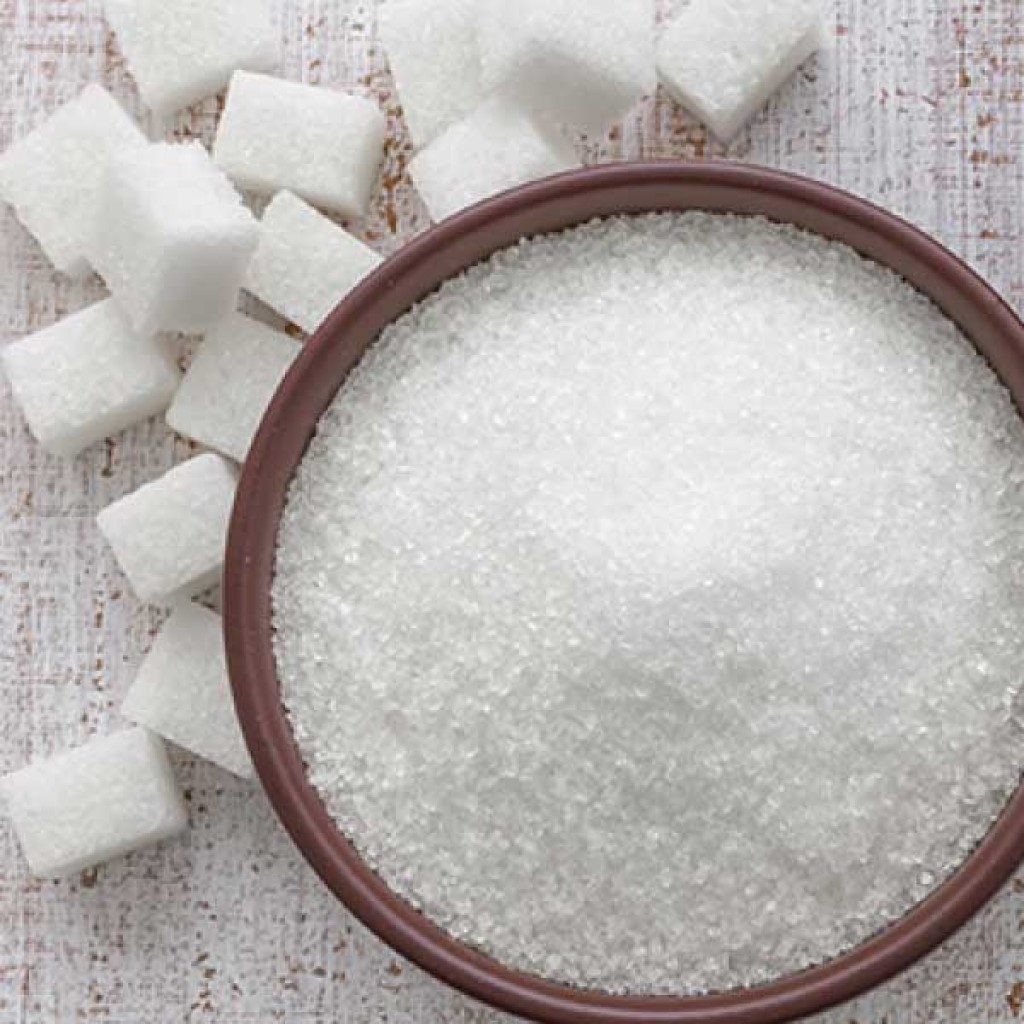
Alcoholic beverages contain not only alcohol, but also sugar and fat. For this reason, their consumption should be kept under control in particular by those with weight problems or blood sugar control.
Must
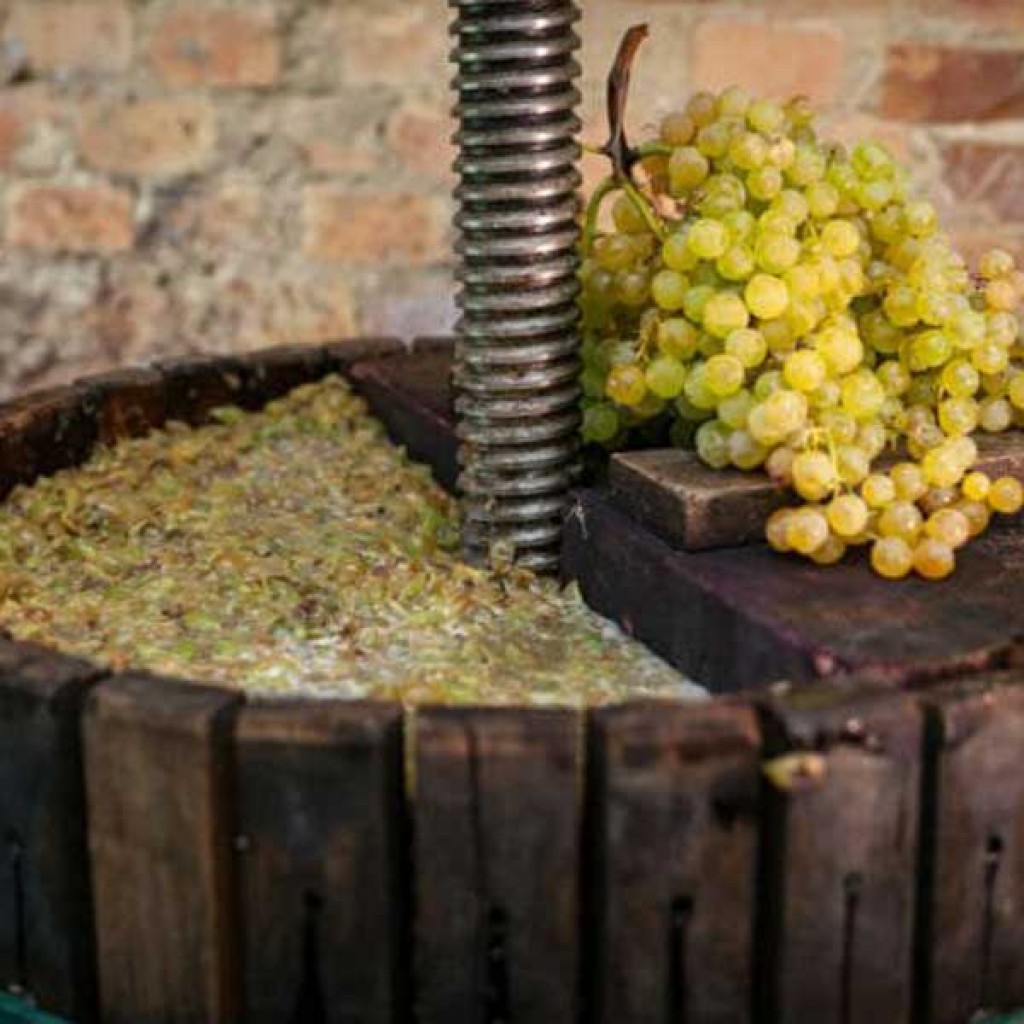
Also called "white fermentation" is a winemaking technique that involves the immediate separation of the must from the skins, without maceration taking place. With this system it is possible to obtain white wines also from dark-skinned grapes.
Yeasts for fermentation

This process is also called primary fermentation and is a series of chemical reactions that transform enzymes into alcohol. This can happen thanks to the presence of specific yeasts, among which the most used are the saccharomycetes.
Acids

They are organic acids that are formed during alcoholic fermentation and ensiling of the marc. Acetic acid. In modest quantities, they help to strengthen the aggressiveness of alcohol on the tongue and benefit the taste and its scent.
Alcohols

Alcohols are formed during alcoholic fermentation and ensiling of the marc. From a sensorial point of view they are very important: they give grappa its vegetal scents and, by marrying the acids, they give rise to esters with a fruity aroma.


About
Us

Superb Partonopean interpretation of pizza! Characteristic, tasty and melt-in-your-mouth dough, as well as great care of the raw materials! Congratulations also to the kindness and professionalism of the owners and staff.

I've tried several Neapolitan pizzas in Milan but the taste of this buffalo mozzarella beats them all! New and welcoming place, friendly and helpful staff. Well done!

Well-kept environment, excellent service and the Pizzas what wonders.

After reading the reviews and hearing the opinions of my friends, I decided to try this place that many told me about. I was already thinking of finding a welcoming and pleasant environment but, above all, a place where you could eat a good and real Neapolitan Pizza in Milan; well expectations definitely exceeded! Friendly staff, well-kept restaurant, excellent pizza! Highly recommended!

Fantastic pizza among the best in Milan. Try the San Gennaro. Friendly helpful staff and new and clean place. To come, super.

Spectacular pizzeria, a real find! Delicious pizza, high quality ingredients and perfect dough. A real Neapolitan pizza, I absolutely recommend trying all the pizzas !! Prices in the norm. Very nice staff. We will definitely be going back.

Typical Neapolitan pizza, superlative taste and ingredients. We also tasted some really good typical Neapolitan appetizers! Marco and Sara two kind people and always with a smile, absolutely to try!

Very good pizza indeed I would say excellent sweet pastiera ... not to be missed .. limoncello offered, the rest of the menu looks very good we will be back to try it.

For all lovers of true Neapolitan pizza made by Marco, an authentic Neapolitan pizza maker, who, like an artist, doses all the ingredients and cooking times with wisdom and with love for tradition. A delight for the palate and the soul. Absolutely not to be missed.

Tasty Neapolitan pizza, Marco is a true professional and a welcoming and clean host, the most famous Margherita is digestible and tasty.

A pizza that really deserves it! Excellent dough and perfect combination of ingredients. Fried appetizers are delightful! Perhaps the only flaw is the slightly small and spartan restaurant, which however gives you the opportunity to observe the pizza chef at work!

Came here with 3 other friends. Had 5 pizzas and one eggplant parmigiana. There was not one piece of food left on our table. Staff was extremely friendly, fast service, and great mood inside. We felt welcomed despite not speaking any Italian, and had a great time. 5/5 highly recommend