
DE FALCO WINERY - FIANO DI AVELLINO IGT
When we talk about "Fiano di Avellino" we are talking about a particular procedure of cultivation and care of the vineyards. The grapes are harvested at the end of October and vinified in white. The must cools at 8 ° for 24 hours, and then ferments at a controlled temperature of 12/13 ° for 60 days. It is aged in stainless steel tanks with frequent batonnage, that is the "mixing" of the fine lees with the mass of the wine aging in the barriques, even for twelve months and rests in the bottle for six months before being marketed.
Fiano di Avellino is one of the excellences of the Campania region. It has a straw yellow color and aromas of cedar, mandarins and medicinal herbs.
The second scents let you perceive the crunchy yellow fruit and floral notes. On the palate it is savory, with accentuated acidity and structure. It closes along with a pleasant note of mint. A wine with character and an elegant imprint that can be drunk with great ease. The Fiano di Avellino Docg is tasted at a temperature of 8/10 ° C. Thanks to its structure.

Features
- Training systems: Guyot
- Soil: Mainly clayey
- Production: 10,000
- Bottles vinification: Destemming, cryomaceration and soft pressing of the grapes, fermentation in stainless steel tanks at a controlled temperature
- Production technique & Fermentation: Steel Refinement: From 3 to 12 months in steel and 6 months of refinement in the bottle
- Alcoholic content: 13%
- Tasting Notes: Yellow in color. On the nose it is expressed with notes of yellow fruit and floral notes. On the palate it is fresh but enveloping at the same time. A citrus note stands out in the aftertaste.
The Fiano grape is grown mainly in the province of Avellino. According to some, the cuttings of Fiano were brought to Irpinia by some populations of Ligurian origin deported to Campania during the Roman domination.
The name of the vine, most likely, derives from the ancient Latin term Apiane grapes, which used to define those varieties that attracted bees due to the sweetness of their grapes. The wine has a light yellow color. The bouquet is intense and complex, with aromas of white fruit, dried fruit and spicy hints.
On the palate it has a good body, rich and persistent aromas, beautiful freshness and a clear mineral vein. It has a good propensity for aging and after a few years in the bottle, tertiary notes of great depth and elegance develop.
Sugar
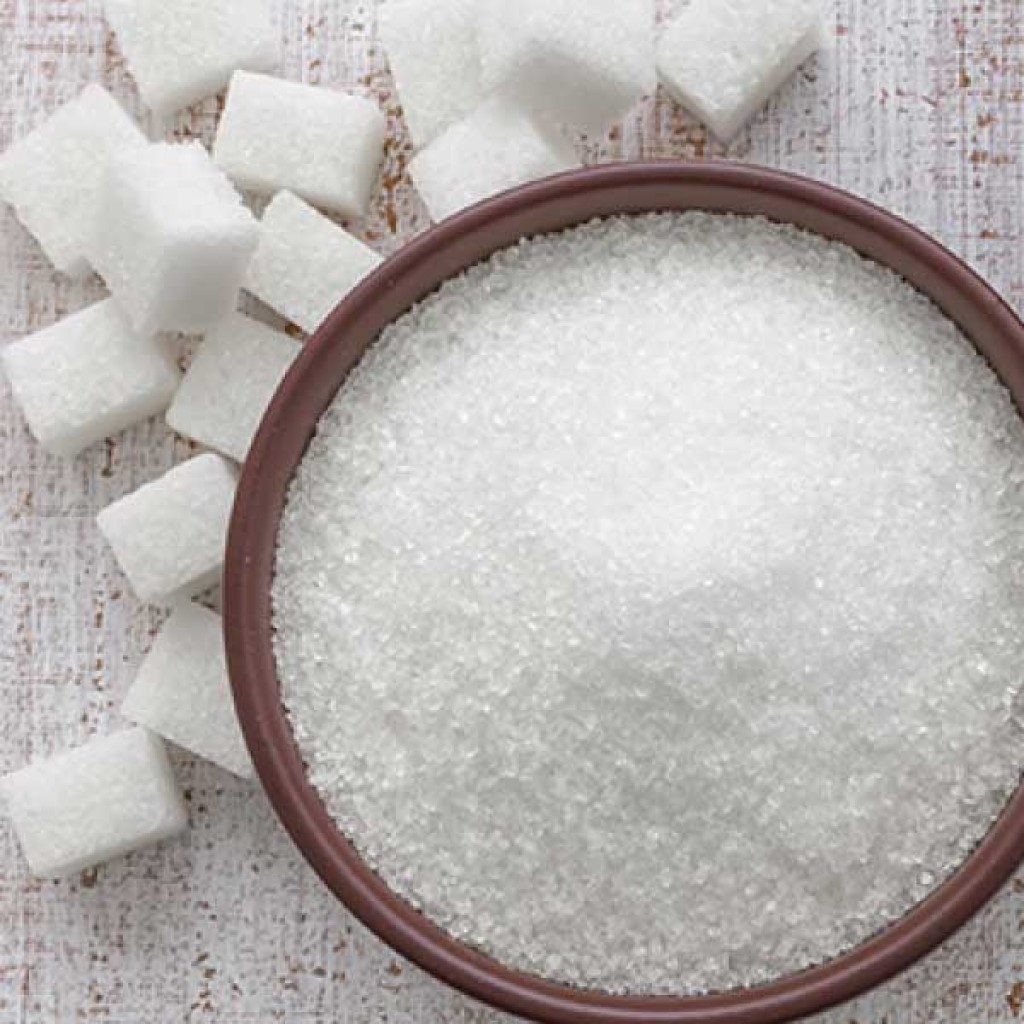
Alcoholic beverages contain not only alcohol, but also sugar and fat. For this reason, their consumption should be kept under control in particular by those with weight problems or blood sugar control.
Must
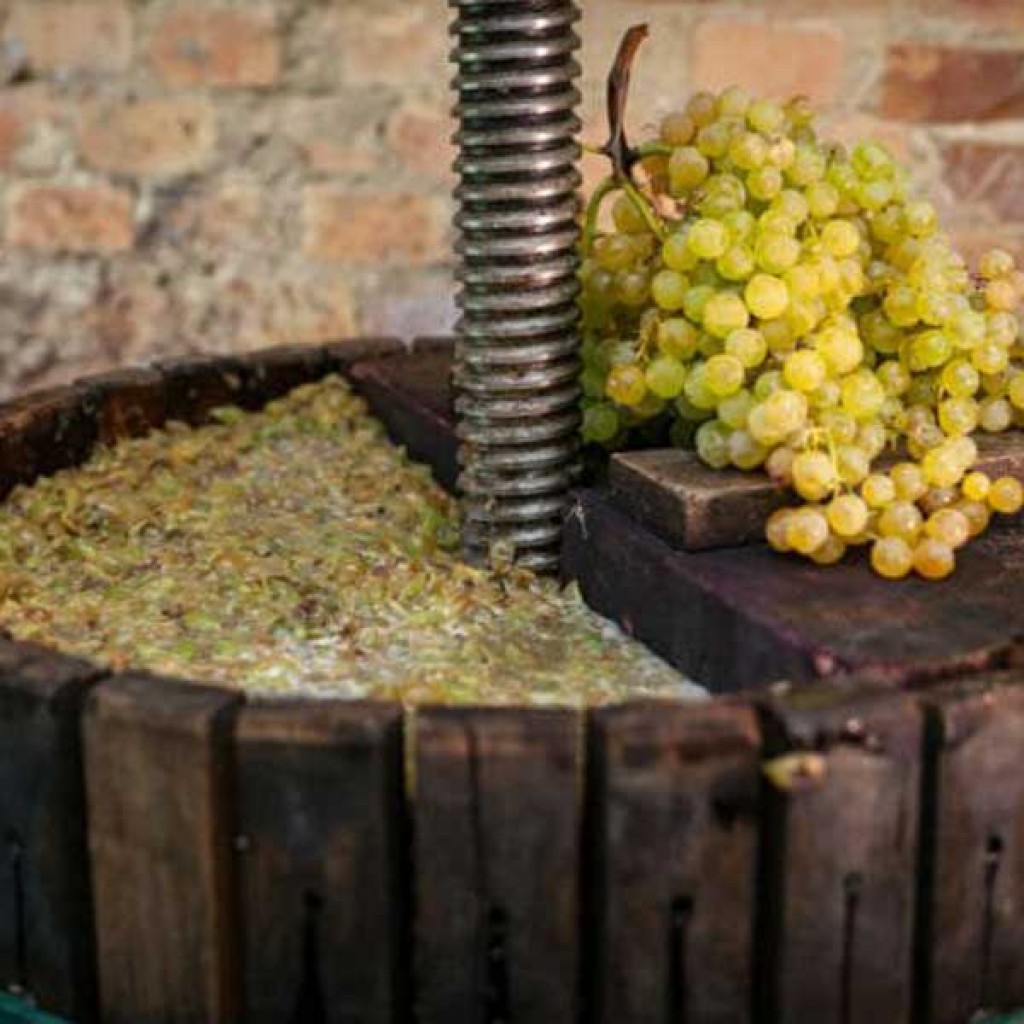
Also called "white fermentation" is a winemaking technique that involves the immediate separation of the must from the skins, without maceration taking place. With this system it is possible to obtain white wines also from dark-skinned grapes.
Yeasts for fermentation

This process is also called primary fermentation and is a series of chemical reactions that transform enzymes into alcohol. This can happen thanks to the presence of specific yeasts, among which the most used are the saccharomycetes.


About
Us

Superb Partonopean interpretation of pizza! Characteristic, tasty and melt-in-your-mouth dough, as well as great care of the raw materials! Congratulations also to the kindness and professionalism of the owners and staff.

I've tried several Neapolitan pizzas in Milan but the taste of this buffalo mozzarella beats them all! New and welcoming place, friendly and helpful staff. Well done!

Well-kept environment, excellent service and the Pizzas what wonders.

After reading the reviews and hearing the opinions of my friends, I decided to try this place that many told me about. I was already thinking of finding a welcoming and pleasant environment but, above all, a place where you could eat a good and real Neapolitan Pizza in Milan; well expectations definitely exceeded! Friendly staff, well-kept restaurant, excellent pizza! Highly recommended!

Fantastic pizza among the best in Milan. Try the San Gennaro. Friendly helpful staff and new and clean place. To come, super.

Spectacular pizzeria, a real find! Delicious pizza, high quality ingredients and perfect dough. A real Neapolitan pizza, I absolutely recommend trying all the pizzas !! Prices in the norm. Very nice staff. We will definitely be going back.

Typical Neapolitan pizza, superlative taste and ingredients. We also tasted some really good typical Neapolitan appetizers! Marco and Sara two kind people and always with a smile, absolutely to try!

Very good pizza indeed I would say excellent sweet pastiera ... not to be missed .. limoncello offered, the rest of the menu looks very good we will be back to try it.

For all lovers of true Neapolitan pizza made by Marco, an authentic Neapolitan pizza maker, who, like an artist, doses all the ingredients and cooking times with wisdom and with love for tradition. A delight for the palate and the soul. Absolutely not to be missed.

Tasty Neapolitan pizza, Marco is a true professional and a welcoming and clean host, the most famous Margherita is digestible and tasty.

A pizza that really deserves it! Excellent dough and perfect combination of ingredients. Fried appetizers are delightful! Perhaps the only flaw is the slightly small and spartan restaurant, which however gives you the opportunity to observe the pizza chef at work!

Came here with 3 other friends. Had 5 pizzas and one eggplant parmigiana. There was not one piece of food left on our table. Staff was extremely friendly, fast service, and great mood inside. We felt welcomed despite not speaking any Italian, and had a great time. 5/5 highly recommend